
What Are Rotable Aircraft Components? A Guide for Airlines and MROs
Modern aircraft are rarely made up of the same parts they had when they first rolled off the assembly line. Whether flying commercial routes or government missions, many aircraft contain components that have moved through a complex network of planes over years of service. In that sense, today’s aircraft are continually “composed” of parts with their own histories. Components may have been installed, removed, inspected, repaired, and returned to service multiple times throughout their operational lives.
Rotable aircraft components make this possible. Rotables allow airlines and MRO facilities to keep aircraft flying by quickly replacing parts, since a rotable is a part that can be repaired or overhauled and returned to service, sometimes multiple times, rather than discarded after a single failure.
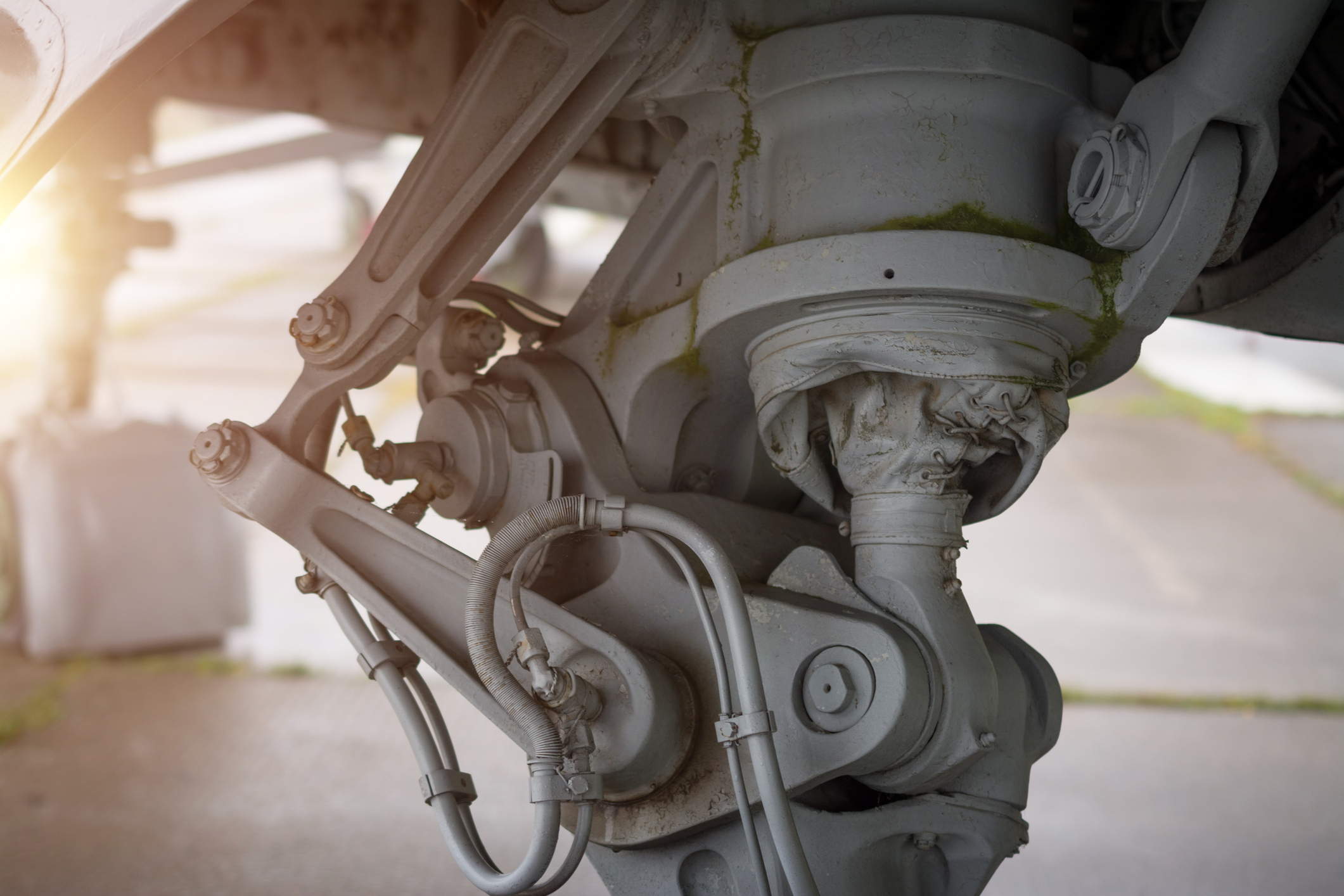
Unlike expendable and consumable parts, which are used once and replaced, rotables such as landing gear assemblies, hydraulic pumps, and avionics units can be reused indefinitely, as long as they remain approved for that specific application and are supported by proper documentation and traceability.
Why Rotables Matter for Fleet Operations
Rotable components play a direct role in maintenance economics and aircraft availability. When a removable component fails or is taken off the wing for scheduled maintenance, an operator may install a compatible, serviceable replacement from its own inventory, an MRO exchange program, or a shared component pool rather than waiting for that specific unit to be repaired.
The removed unit is then inspected, repaired or overhauled, tested, and returned to serviceable inventory if it meets applicable requirements.
By separating aircraft recovery from the repair turnaround of the removed unit, this model can reduce downtime and help limit AOG exposure. It also allows expensive components to be restored and reused through multiple service cycles instead of being replaced with new units after every removal.
For airlines and MROs, pooling and exchange arrangements can reduce the capital required to hold spares and make maintenance spending more predictable, although results still depend on part availability, logistics, repair findings, and contract terms.
How Rotable Support Varies by Mission and Fleet Profile
Rotable support is not one-size-fits-all. The component mix, response-time expectations, inventory strategy, and applicable airworthiness or configuration-control requirements vary by mission, aircraft type, fleet size, and operating environment.
- Government and military operators often rely on long-term sustainment arrangements, depot-level repair capability, and carefully managed supply chains to support aircraft over extended service lives. Rotary-wing fleets and large military aircraft depend on consistent access to repairable components, repair capacity, and technical support to maintain mission readiness. In this environment, operator-owned stock, depot repair pipelines, contractor logistics support, and other repairables-management arrangements may all play a role. U.S. Department of Defense depots conduct overhaul, upgrading, rebuilding, testing, and reclamation work on parts and assemblies, and are considered central to maintaining readiness.
- Commercial passenger and cargo operators place a particularly high value on response speed and network coverage. When an aircraft is out of service because of a component issue, operators may need a compatible, serviceable replacement quickly to limit schedule disruption and AOG exposure. Component exchange and pooling programs help by supplying a serviceable unit while the removed component enters the repair or overhaul cycle.
- Regional carriers also rely on rotables across airframe, avionics, landing-gear, hydraulic, and other systems. For operators with smaller fleets, dispersed maintenance locations, or limited demand for a particular high-value component, external pools and exchange programs can provide access to serviceable inventory without requiring the operator to purchase and hold every spare itself. OEM and supplier programs support aircraft including Embraer regional jets, Bombardier/CRJ aircraft, and ATR turboprops through component repair, exchange, and pooling arrangements.
Across these operating models, the common objective is to restore aircraft availability as efficiently as possible while meeting the applicable maintenance, airworthiness, traceability, and configuration-control requirements.
Documentation and Traceability
A rotable component must be supported by records that allow the operator, MRO, or purchaser to verify its identity, approval basis, configuration, maintenance status, and eligibility for the intended installation.
Depending on the component, its operating history, and the applicable regulatory or customer requirements, this may include part and serial-number records, maintenance and repair history, release documentation, life-status records, and applicable airworthiness-directive or modification-status information.
FAA Form 8130-3 is one common form of release documentation in U.S. aviation. Officially titled the Authorized Release Certificate / Airworthiness Approval Tag, it may be used to document airworthiness approval for qualifying new articles or return a used article to service after inspection, maintenance, or alteration. However, an 8130-3 is not required for every domestic transaction or installation, and the form alone does not establish that a component is eligible for a particular aircraft.
Components may originate from an OEM or, where approved for the intended application, from a manufacturer operating under FAA Parts Manufacturer Approval (PMA). PMA is an FAA design-and-production approval for replacement and modification articles. In either case, purchasers should confirm that the component’s approval basis, configuration, maintenance records, release status, and supporting documentation are complete and verifiable before accepting or installing it.
For operators evaluating rotable suppliers, documentation is not a formality. It is a core purchasing criterion that supports airworthiness, maintenance planning, audit readiness, residual value, and confidence in the part’s provenance.
What to Look for in a Rotables Partner
Choosing a rotable supplier or support partner can affect aircraft availability, maintenance planning, and long-term cost control. Buyers should evaluate pricing and stated inventory availability alongside a provider's technical capabilities, quality controls, logistics performance and documentation practices:
- Repair capability network depth: Strong in-house repair capability or access to qualified repair facilities expands options for repair, overhaul, exchange and sourcing. For U.S.-registered aircraft, confirm that any FAA-certificated Part 145 repair station holds the appropriate ratings, tooling, and capacity for the specific component, since a repair-station certificate authorizes particular tasks rather than every aircraft component.
- Quality-management credentials: Certifications such as ISO 9001:2015, AS9120, and ASA-100 signal documented, auditable quality-management and distribution processes. They belong in supplier due diligence but don't replace reviewing the specific component's approval basis, maintenance history, and release documentation.
- AOG logistics and inventory location: A 24/7 AOG response process, confirmed stock, and strategically located inventory shorten delivery time for a serviceable component. Buyers should also ask how the supplier handles customs, export documentation, hazardous materials, and core returns.
- Sourcing reach and supplier controls: Access to vetted OEMs, authorized distributors, MROs and exchange pools improves the odds of locating a hard-to-find component. More important than network size is the provider's ability to verify provenance and documentation before offering a part.
- Commercial terms and core management: Review repair-turnaround assumptions, exchange fees, core-return deadlines, warranty coverage, and charges for missing documentation or damaged cores. These terms can materially affect a rotable program's actual lifecycle cost.
Keep Aircraft Moving With the Right Rotable Support
Rotable aircraft components help airlines, cargo operators, government fleets, and MROs protect aircraft availability while managing the lifecycle cost of high-value, repairable parts. A responsive exchange or pooling strategy can reduce downtime, limit AOG exposure, and keep maintenance teams from waiting on a single component’s repair cycle.
Source One Spares supports government, commercial, and regional operators with traceable rotable components and global sourcing support. Contact our Source One Spares team today to discuss your rotable requirements.